Ecommerce SEO: the complete store optimization guide
Ecommerce SEO optimizes online stores so product and category pages rank for commercial searches. This guide covers the architecture-first methodology Best SEO Company in India applies to Shopify, WooCommerce and headless stores across the US, UK, Canada, Australia and India.
Key takeaways
- Ecommerce SEO optimizes stores so product and category pages rank for commercial searches.
- Fix category architecture and faceted navigation first — structural errors waste crawl budget and split equity.
- Product, Offer, Review and AggregateRating schema unlocks rich results, the CTR lever on identical rankings.
- Design within platform constraints — Shopify, WooCommerce and headless each have different structural realities.
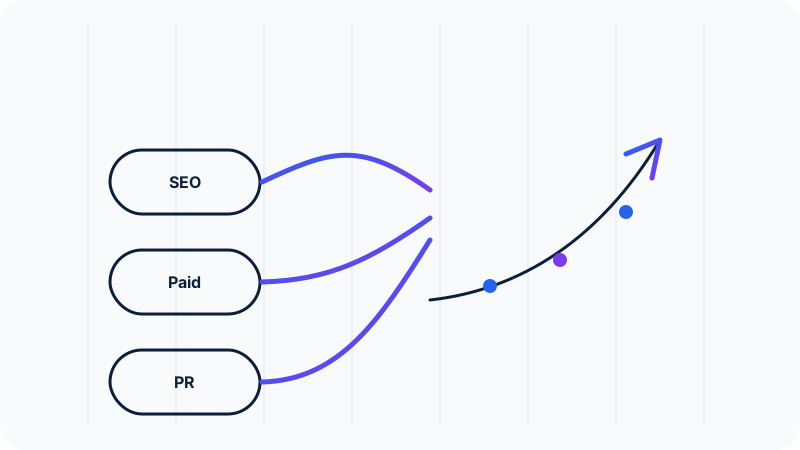
Architecture before content
Store SEO fails structurally before it fails editorially. Map your commercial taxonomy to real search demand first: which category pages deserve indexable existence, which facet combinations earn pages versus canonicals, and where crawl budget is being wasted on parameter duplicates. This layer hides the biggest ecommerce gains.
Category pages that rank
Category pages win when they answer commercial intent: a direct-answer introduction, genuine buying guidance, curated internal links to subcategories and top products, and unique value beyond the product grid. Treat every indexable category as a landing page, not a shelf.
Want this applied to your site?
The free written audit identifies exactly where these improvements move the needle for your pages — no call required.
Product schema and rich results
Product, Offer, Review and AggregateRating markup validated against Google's rich results requirements, monitored for eligibility drops after theme or app changes. Rich results are the click-through lever on otherwise identical rankings.
Platform realities
Shopify: forced URL structures, one canonical collection per product, app-bloat performance audits. WooCommerce: plugin-driven technical debt and duplicate-content discipline. Headless: rendering path and structured data at the framework level. Optimize within your platform's constraints; replatform only for reasons beyond SEO.
Frequently asked questions
Get your free store audit
Written findings by senior strategists. Published transparent pricing.